


The boats used for the Blue Cruise
A common question for all who take a blue tour are the differences between the boats, the characteristics of the boat and which boat is suitable for which Family - Group - Taste - Budget. Below we present the boats by their names and try to tell you which boat to rent or buy would be the right one for you. The Gulet is a typical Aegean boat that began in Turkey with the Gulluk and runs along the coasts of Bodrum, Bozburun Marmaris and Fethiye with the help of engines and sails.
WHAT IS GULET?
When the gulets were first made, they were made to carry what fishermen and swimmers caught, and in the following years they were conceived as accommodation and became an indispensable part of the blue tour holiday. Originally produced in the Gulluk and Bodrum mills, the gulet has been produced from generation to generation by professional craftsmen.
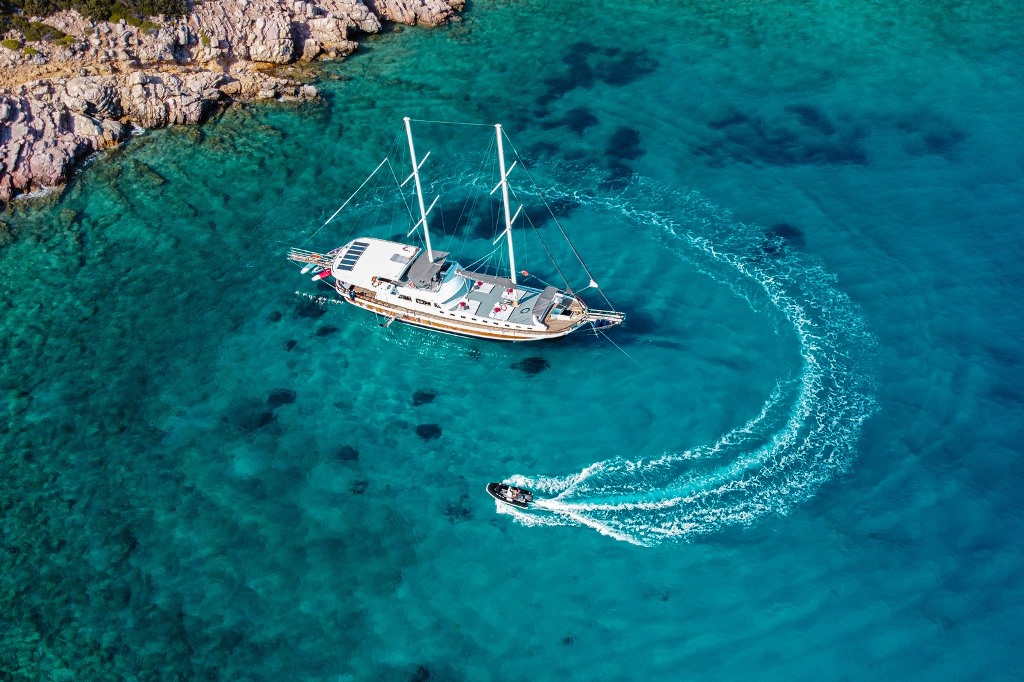
Subsequently, those who had grown up alongside the masters in Bodrum opened a series of gulet mining plants that produced on the coast to Bozburun, Marmaris and Fethiye. Initially, infrared wood was used in the manufacture of the gulet; in later years, high-quality and rigid wood such as teak, iroko, moon and chestnut was used.
The classic Bodrum balls were made of clampwood until the year 2000 and have recently been more robust and durable, so they are made either by wood lamination technology or in hair balls, as desired.
The Blue Tour passengers are equipped to offer maximum comfort and facilities for their weekly stays. The standard cabinets have air conditioning, shower and toilet, while the more luxurious main cabins have LED TVs, audio systems, jacuzzi, massage shower, safe, internet access, DVD player, playstation.All guest rooms have crew cabins and separate toilet shower apart from the cabins.
In recent years, large and luxurious cabins, comfortable living areas in the lounge, large seating areas on deck and ass, sunbeds and jacuzzi in the front have been built to meet all the needs of Blue Tour passengers in a weekly process.
All guellets are equipped with radar systems, an ice device, a lifeboat, an ass boat and fireworks to ensure the safety of passengers.In conventional gulets, the back of the boat is shaped as an oval and carp shell, and since the bottom of the back has no cabin, it is suitable for sailing closer to the sea. The size and capacity of 2 cabins starts at 14 meters; 12 cabins can reach 50 meters. With the popularity of the blue tower, double-track gulette boats have been widely used, boat heights expanded, air conditioning - TV - generator - radar - jacuzzi, luxury and deluxe category gulets have become a popular holiday model for sea lovers from all over the world.
What is straight-backed KETCH-GULET?
Classic gulets have cabins on round buttocks and bodies, but with the popularity of blue curves, each cabin of these boats has a need for a toilet shower; with these types of gulets were created new areas that are more comfortable - high ceilings and spacious cabins.
On the weekly blue tour, boats only go to the port once or twice during the tour, so the weight of these boats has been increased to meet the need for clean water as well as dirty water tanks.
With the addition of a gulette generator, a double engine and a Mazot tank, sailing became more difficult due to the weight, and the comfort of the blue tour was increased.
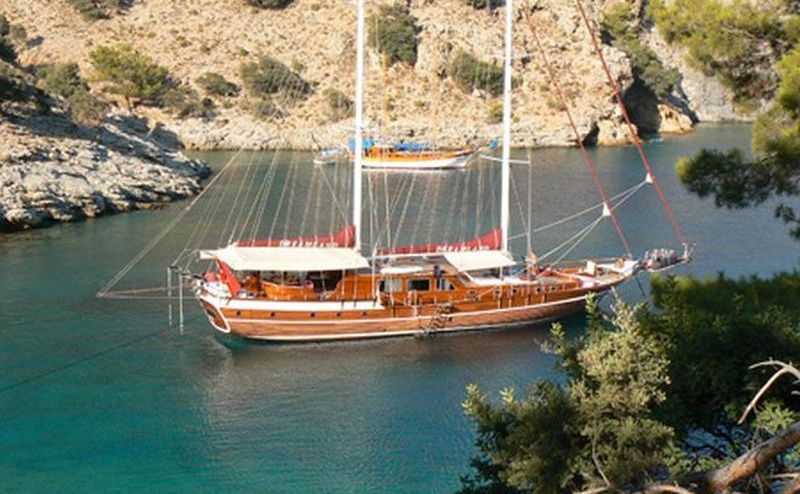
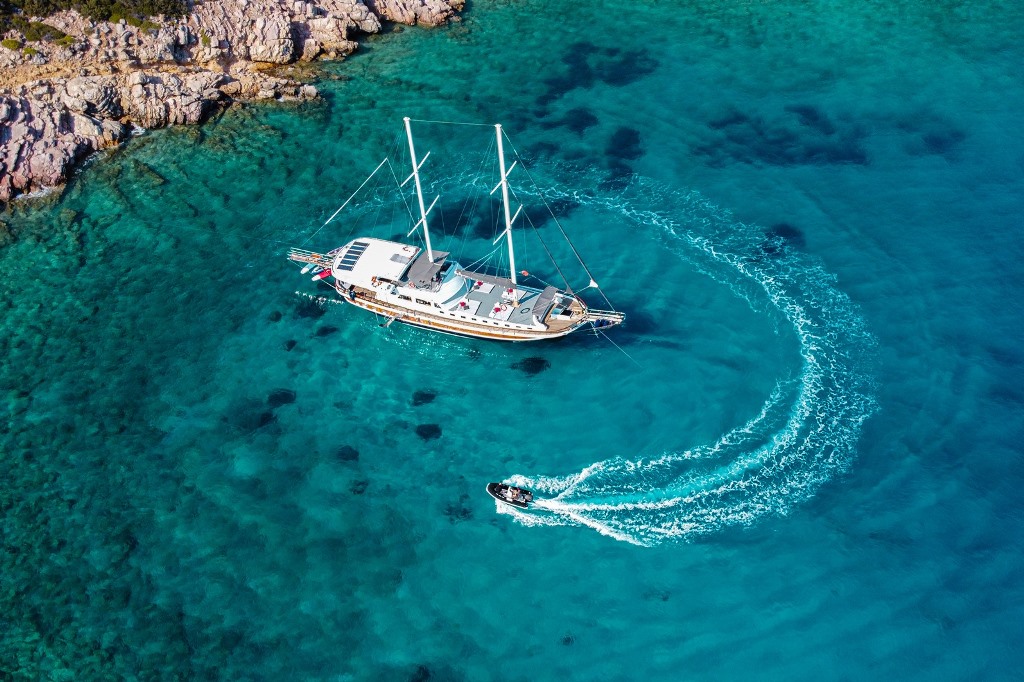 € 10.000 / week
27.00 mt / 6 Cabin / 12 Guest
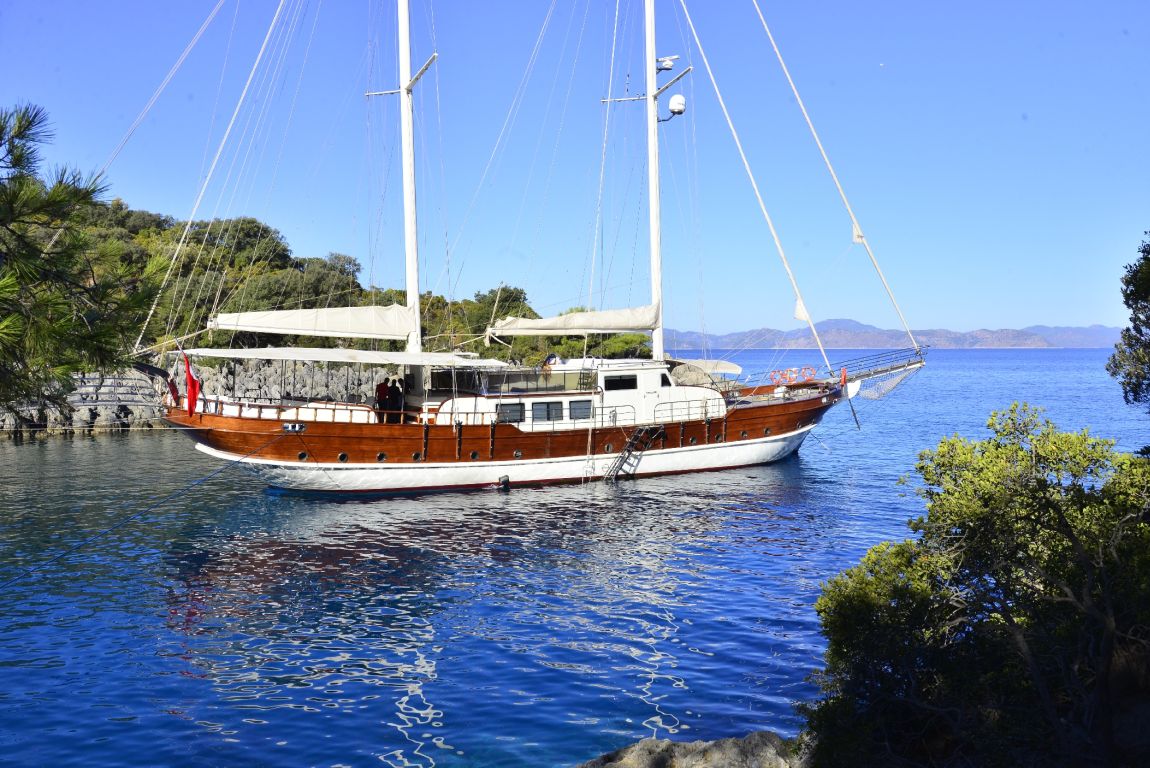 € 17.500 / week
-10%
€ 17.500 / week
-10%
33.00 Mt / 6 Cabin / 12 Guest
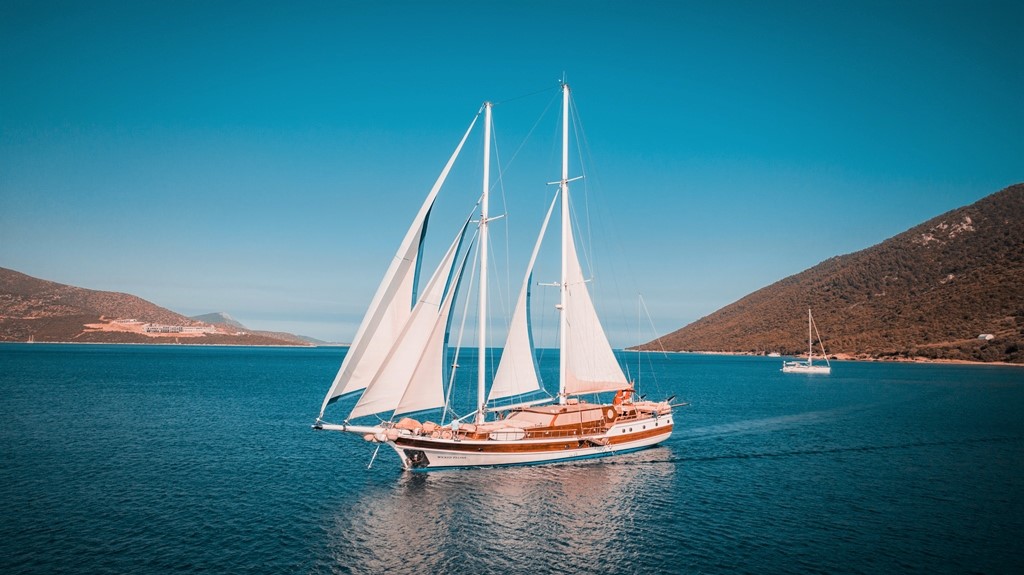 € 17.500 / week
34.00 mt / 5 Cabin / 10 Guest
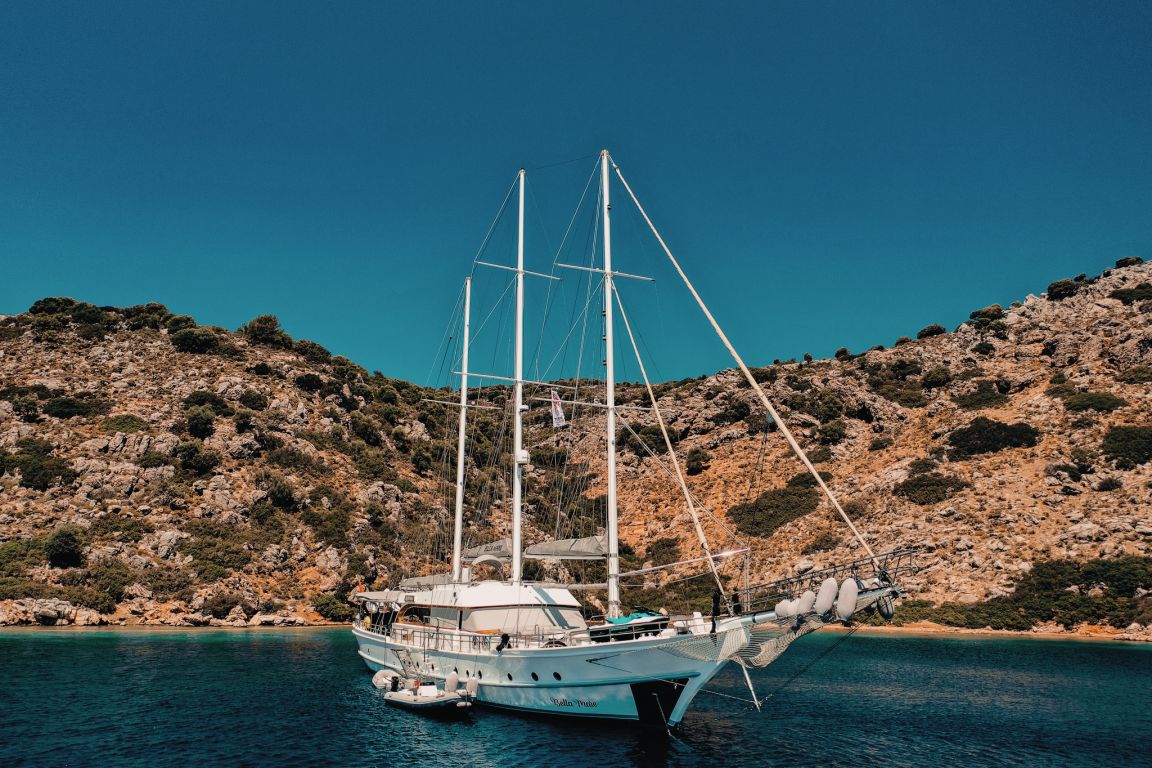 € 35.000 / week
38.00 Mt / 6 Cabin / 12 Guest
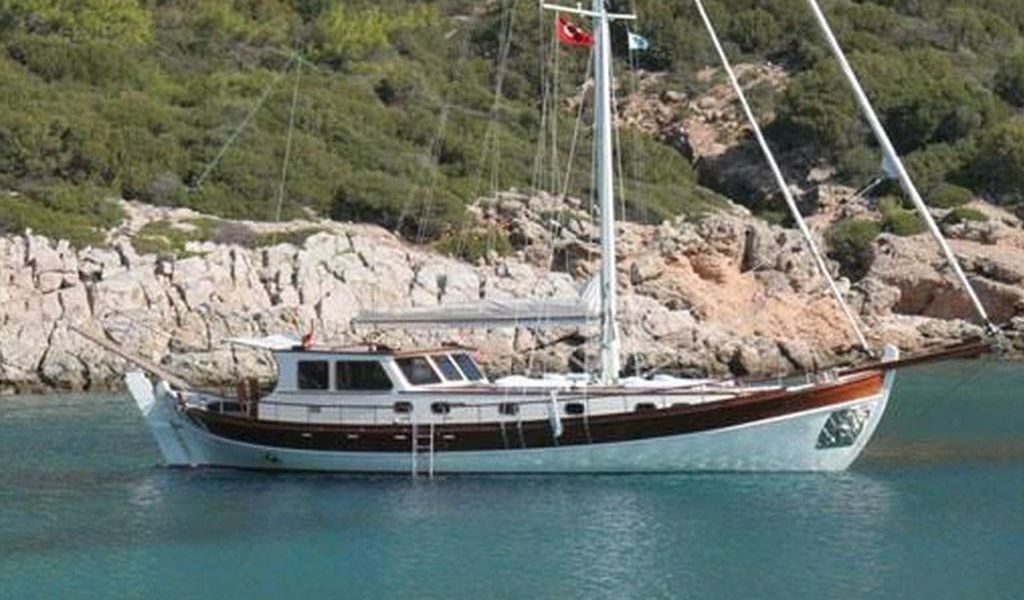
What is TIRHANDIL?
Tirhandil boats are the oldest and most traditional type of boat known in the Mediterranean. The first production of Tyrandil boats in history goes to Egypt and the Phoenicians, and
in the following years the Greeks in Aegean will push forward and dominate the production of Tirandil.
The word Tirhandil comes from the Greek word "Tricandini" and means three. On these ships the length of the boat was left with the Greek word "Thirhandil" which means
"three thirds" because it was three times the size.
In recent years, Tirhandil boats with 3 or 4 cabins with a length of 16-20 m have been manufactured to also use blue circles. In Greece, where these boats were built
for the first time, which required time, money, and patience because they were made entirely of wood and hand, there was no master who would build those boats.